- Big Picture
4 Essential Principles of Writing Instruction
A Structured Literacy Approach
Nicole Ormandy, M.Ed.
Every day, teachers make countless instructional decisions to provide the most effective writing lessons possible for their unique students. While your curriculum and writing tasks may vary, effective writing instruction is shaped less by a particular program and more by the instructional principles teachers use consistently.
Whether students are learning to write stronger sentences, organize and revise paragraphs, or compose genre-specific pieces, these four essential principles of a structured literacy approach to writing can be embedded into any lesson.
1. Students benefit from direct and explicit writing instruction.
Supporting Students with Writing Strategies
2. Students need lots of practice, both oral and written.
The Importance of Oral Language

Hide Video Transcript
Show Video Transcript
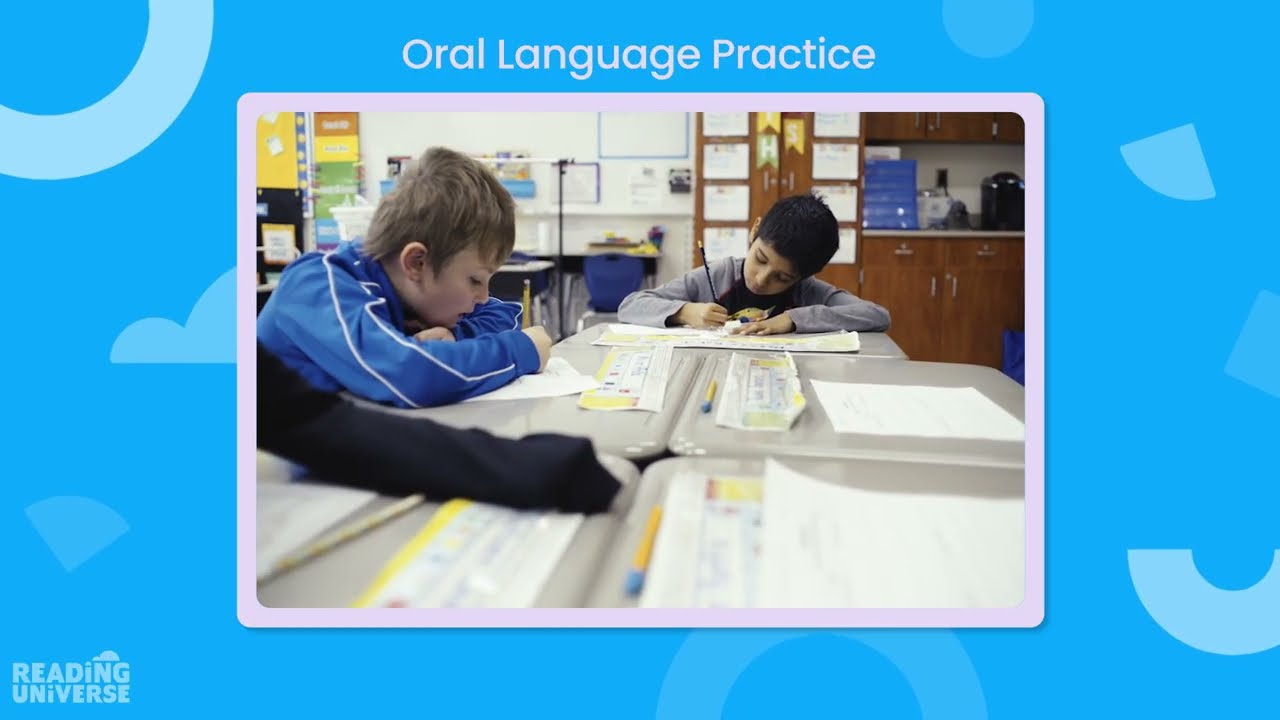
(Maria Bailey) Go ahead. Josiah, your group. What'd you say?
(Josiah) "The dog was barking because it saw another dog."
(Maria Bailey) "Because he saw another dog." I like that. That would make a dog bark. Absolutely. Ian.
(Ian) "The dog was barking because it seen [sic] a squirrel."
(Maria Bailey) Oh, it saw a squirrel. Okay. I kind of like that because that would make my dogs bark. Thumbs up if that would make a dog bark. Does that make sense to us? Yeah, I think so too.
(VO) After Ms. Bailey models a few more examples, it's time for the students to write their sentences down.
Isolated Practice
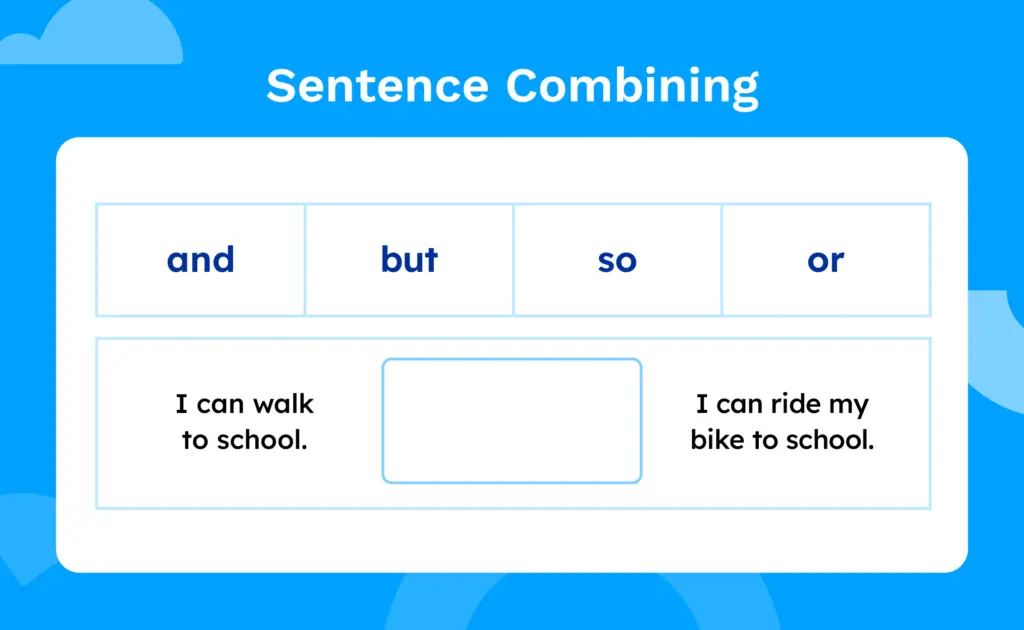
Authentic Writing

3. Writing instruction needs to be systematic and cumulative.
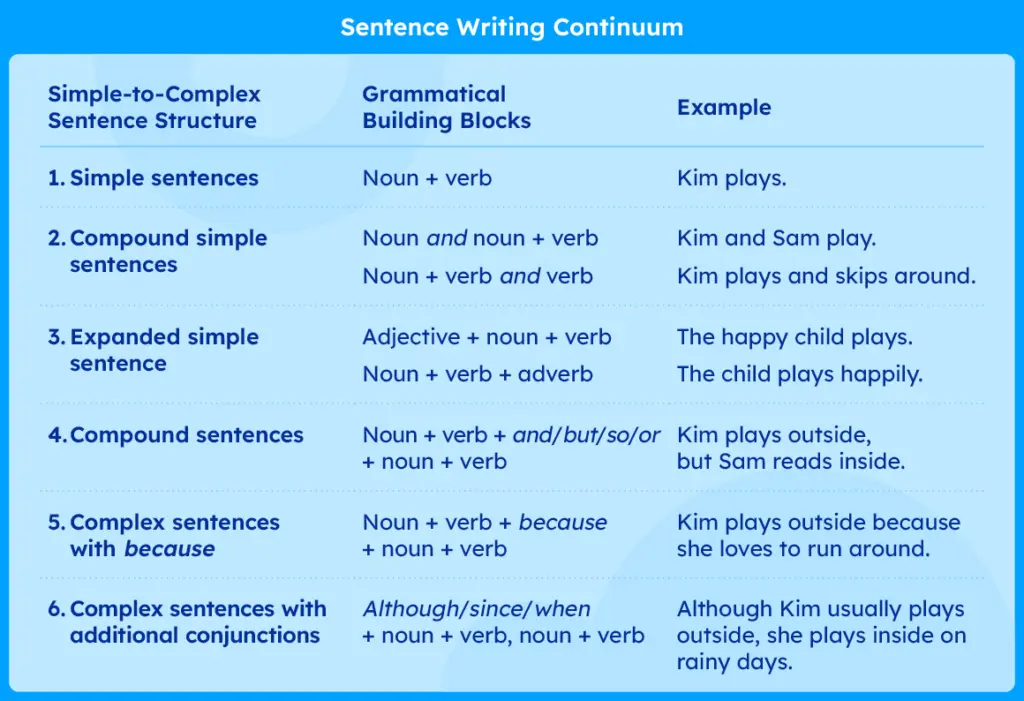
Differentiating Writing Instruction
4. Regular assessment should inform both your instruction and your feedback to students.
Analyzing Your Students' Writing
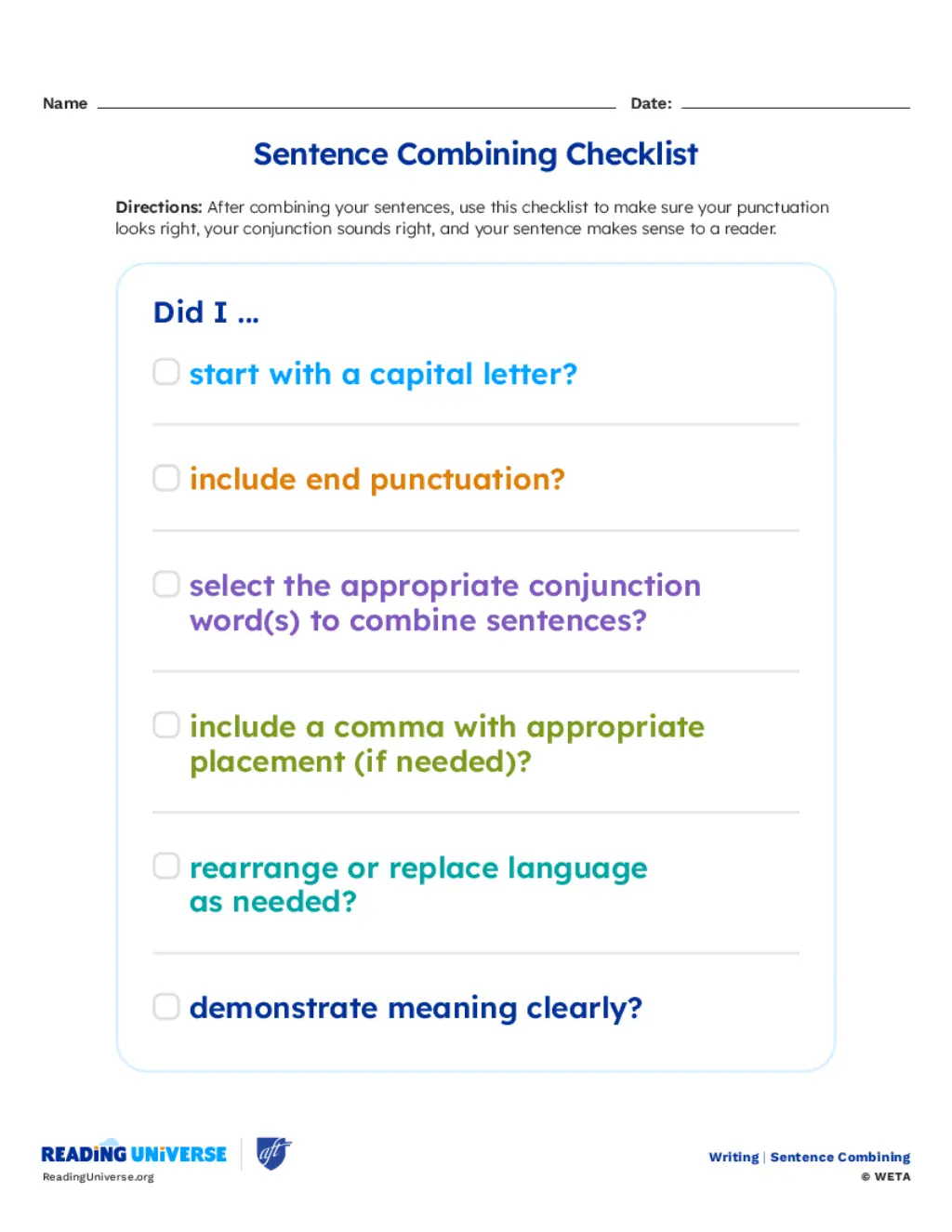
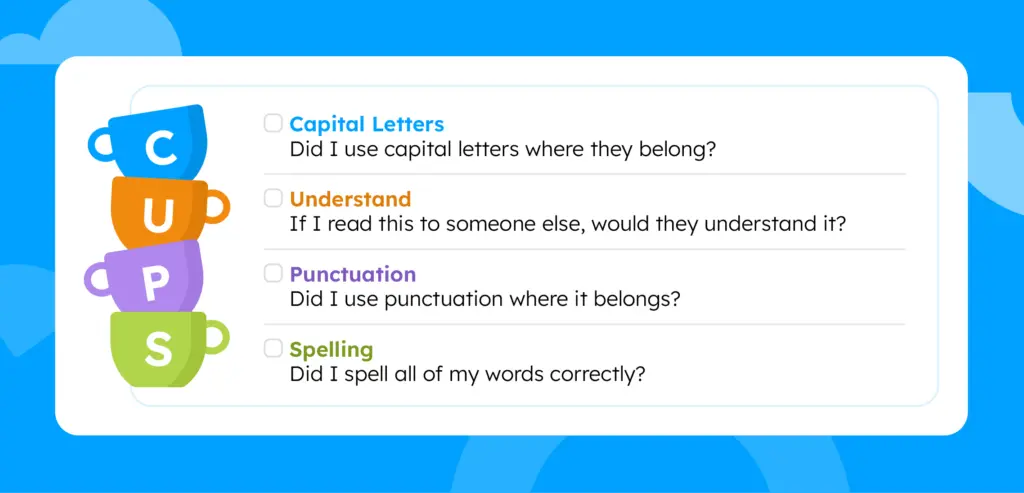
Student-Friendly Checklists