1. An Overview of Grammatical Building Blocks
Grammatical Building Blocks Skill Explainer
Nancy Chapel EberhardtWhat are grammatical building blocks?




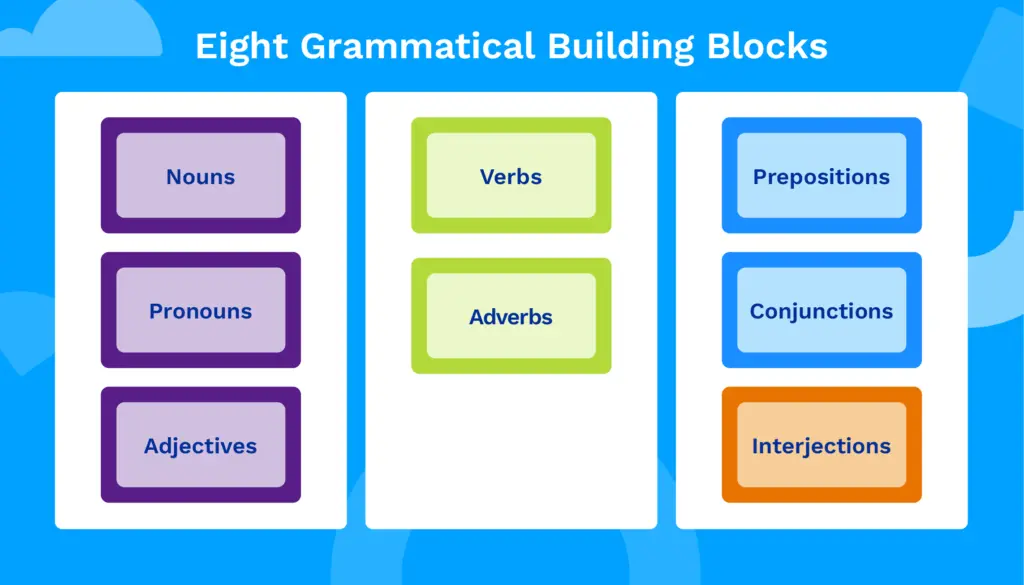
Function First, Label Later

What does this look like in the classroom?
Hide Video Transcript
Show Video Transcript
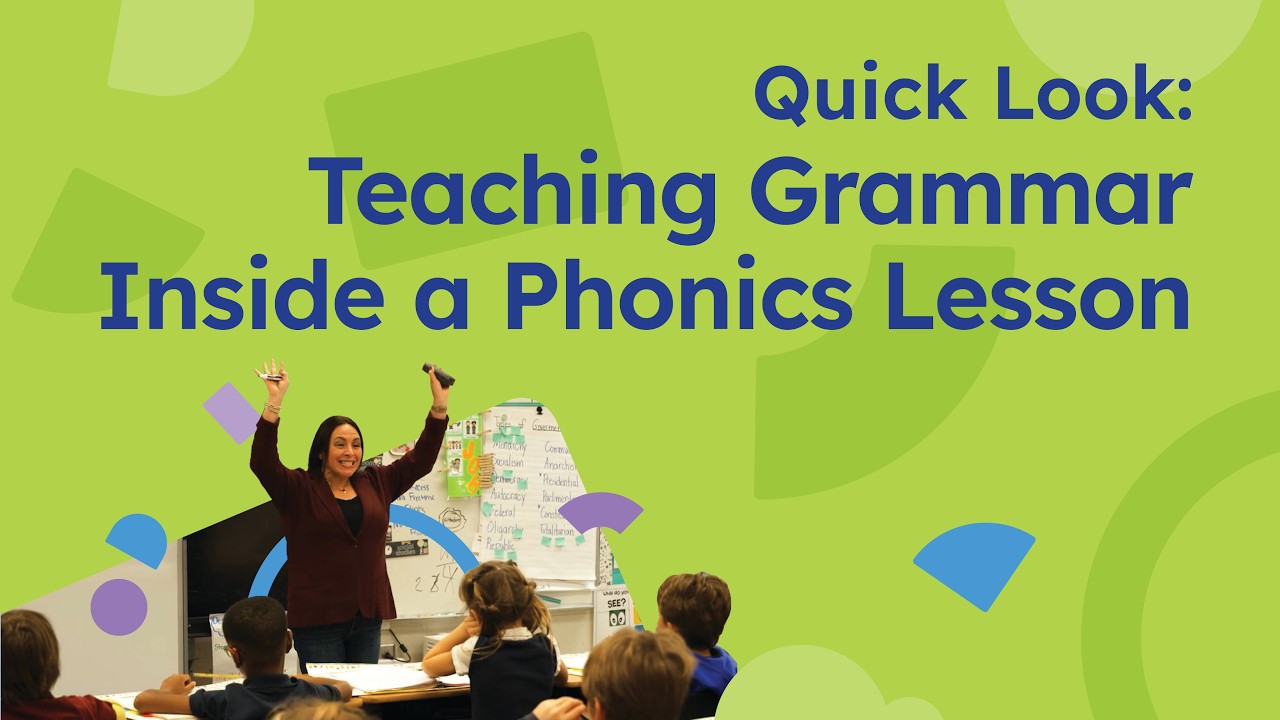
Lisa Glickman: After we do the words, we're going to think about is the word a who or a what? Right. Is it a noun? Does it tell us who or what? Or is it something that you can do? Is it a did what? Is it a verb? An action? Okay. Are you ready? The word is hoist. What's the word?
Students: Hoist.
Lisa Glickman: Hoist. Everybody say, "To hoist is to lift."
Students: "To hoist is to lift."
Lisa Glickman: So if I was saying, "I need to lift this heavy box," I could also say, "I need to hoist this heavy box." Hoist is to lift. So is that a who or a what? Or is hoist something that you could do, a did what? What do you think?
Students: [overlapping voices] Did what.
Lisa Glickman: Did what? Good job. Your next word is boy. What's the word?
Students: Boy.
Lisa Glickman: Is boy a who or a what? Or a did what? Everybody on three. Let's see. Who or what or did what? [counts silently by holding up her fingers]
Students: Who.
Lisa Glickman: It's a who. It's telling us who. Good. Are you ready for your last word?
Students: Yes.
Lisa Glickman: The word is point. What's the word?
Students: Point.
Lisa Glickman: Is point a who or a what? Or a did what? Everybody think. What do you think?
Students: Did what.
Lisa Glickman: Okay. Can I point at something? Is that something I can do?
Students: Yes.
Lisa Glickman: It is a did what, but guess what? May I borrow this? What is this?
Students: A point!
Lisa Glickman: It's a point of a pencil. So guess what? The word point can be a what. And it can be ... and it could be a did what. You're right.
