3.2 Teaching Strategies for Grammar
Grammatical Building Blocks Skill Explainer
Nancy Chapel Eberhardt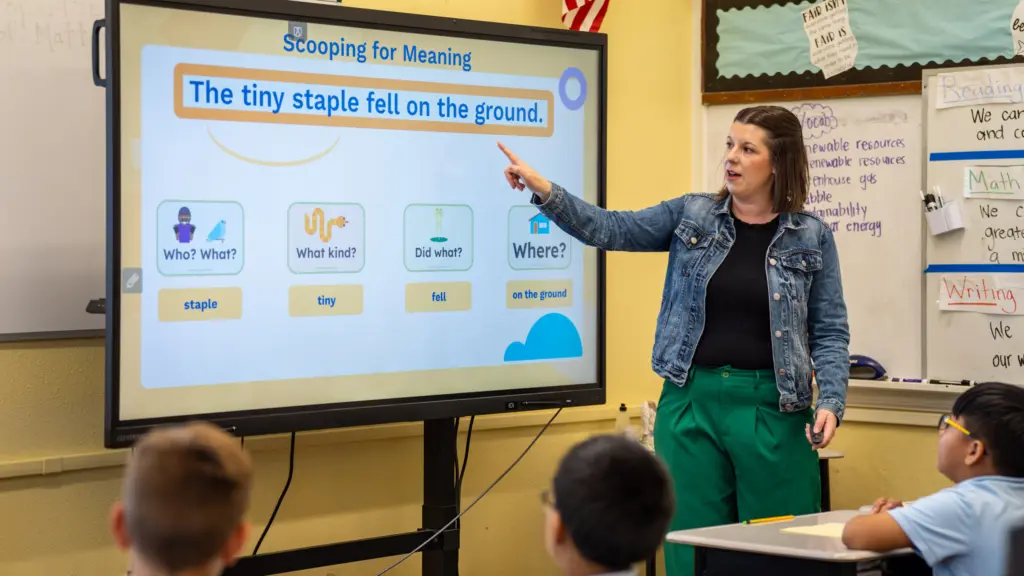
The four teaching strategies below can help you deliver effective grammar lessons for your students with a function-first approach. You can also use them for additional student practice, to help build their understanding of the roles that words play in a text. Here's a quick description of each strategy, and you can click the links to learn how to teach them yourself:
 Word Function Sort
When students are first learning the grammatical building blocks, nouns and verbs specifically, it might be the first time they're considering the categories that words can fit into. Some are clear-cut, like cat: it's always a noun, a who or what; a cat isn't a verb, something that you can do.
In contrast a word like bat has many different meanings. There's the animal bat; the equipment you use in baseball; you can get up to bat; you can bat your eyelashes. The depth of this word involves both who or what (nouns) and did what (verbs). The context of the phrase or sentence plays a role in our understanding.
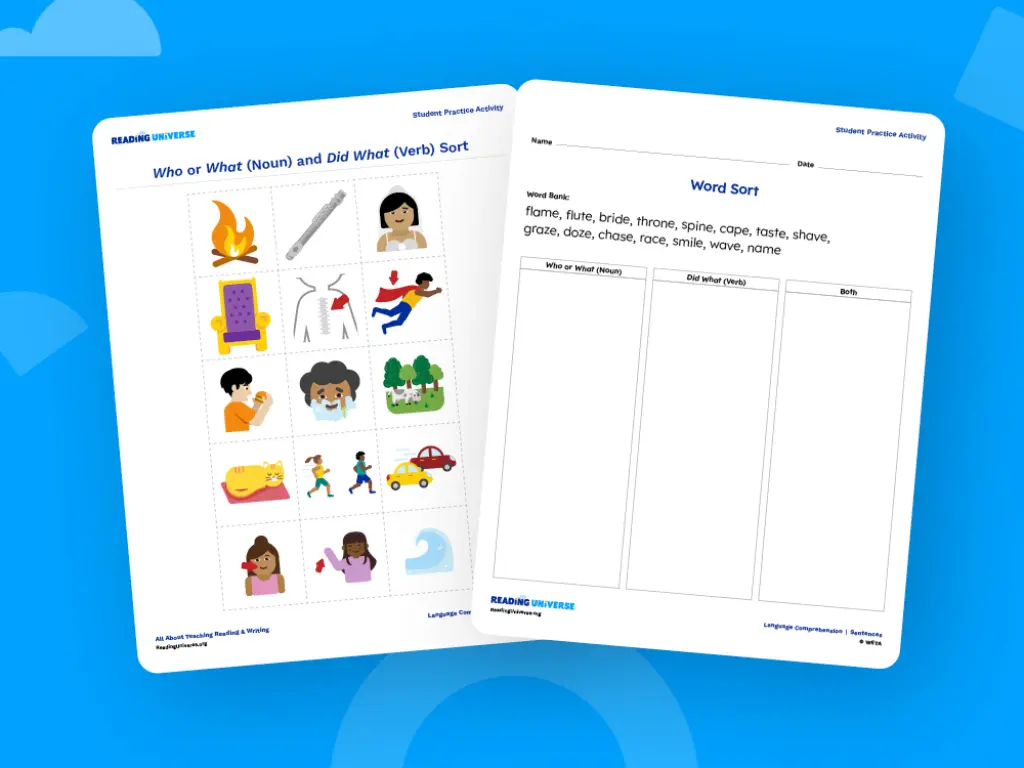
Sorting words into the jobs they can play in a sentence — the who or the what (noun) or the did what (verb) — helps students think about these categories and get familiar with them.
But the power in this strategy comes in the discussion! Having students work in pairs or small groups to do this allows conversations about the words to unfold and, with your guidance, deepen other students' understanding of words in ways they may have never considered before!
We will walk you through two ways you might do this in your classroom.
What this looks like …
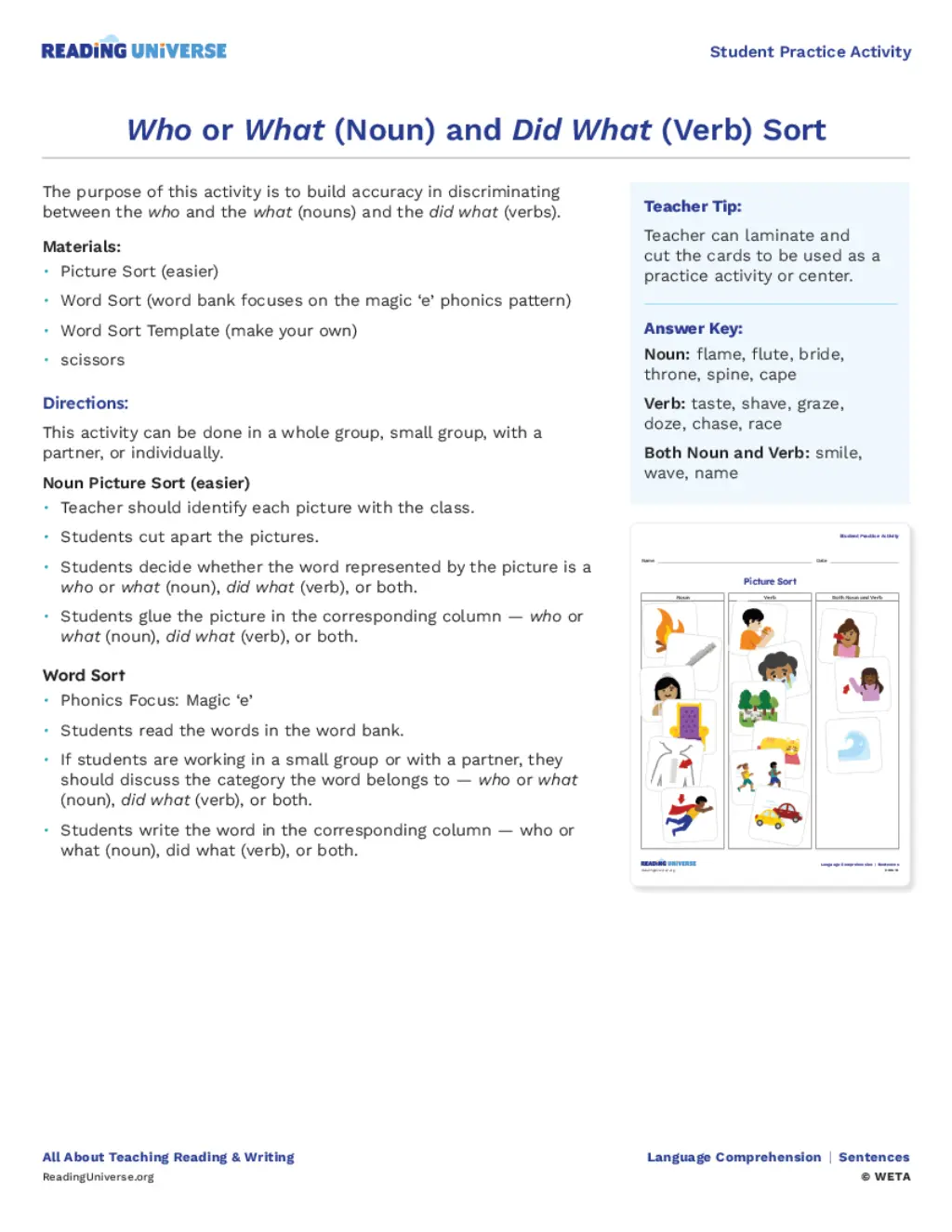
Who or What (Noun) and Did What (Verb) Sort
We've created an example that uses magic 'e' words.
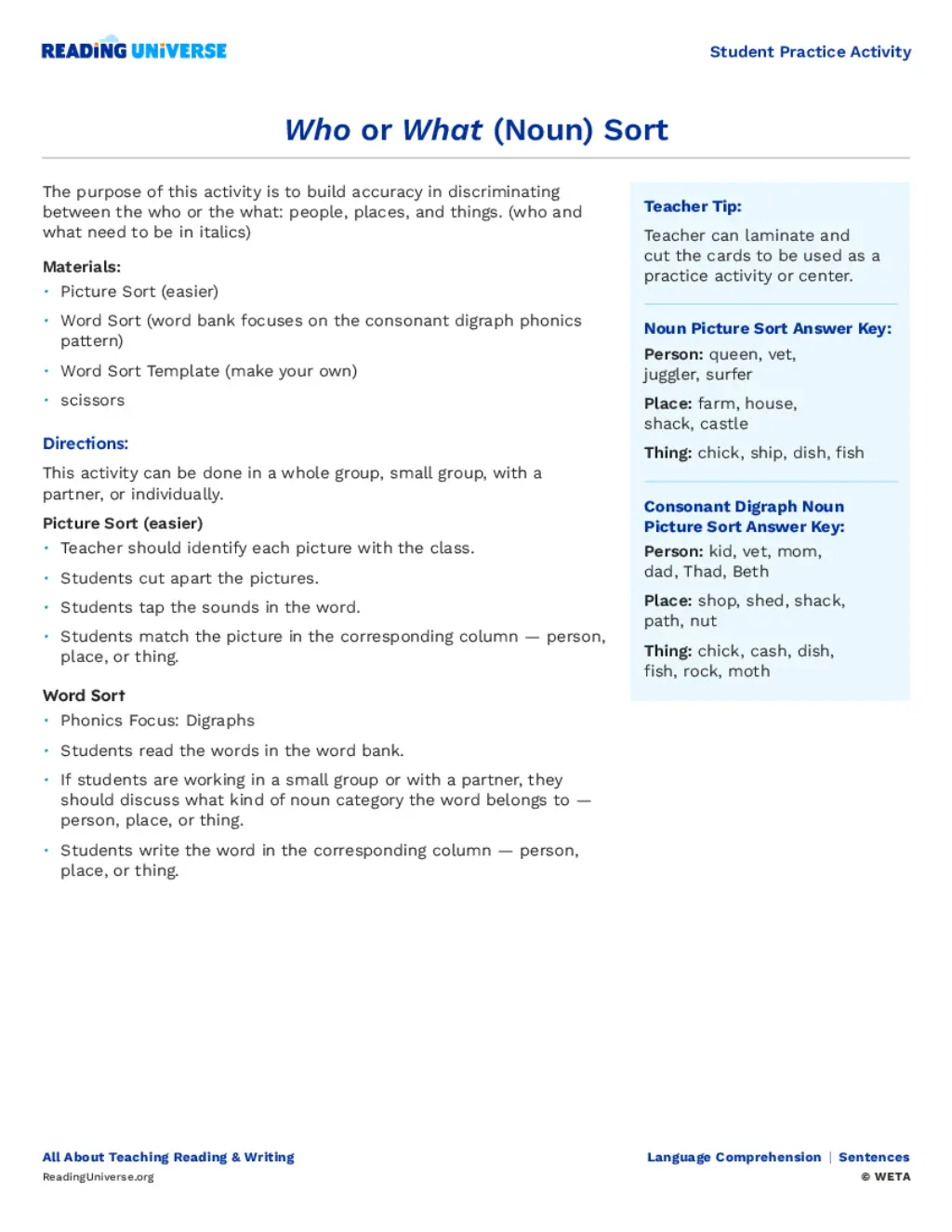
Who or What (Noun) Sort
We've created an example that uses digraphs as the phonics pattern for the word sort.
Sentence Unpacking
What this looks like…
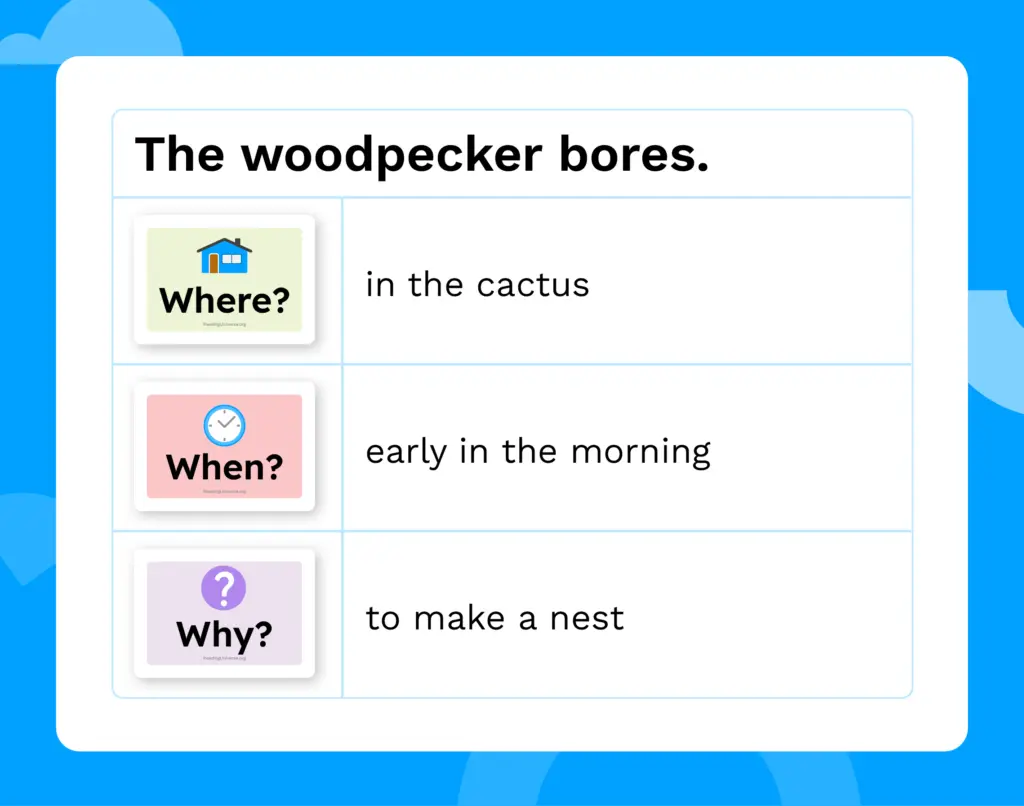
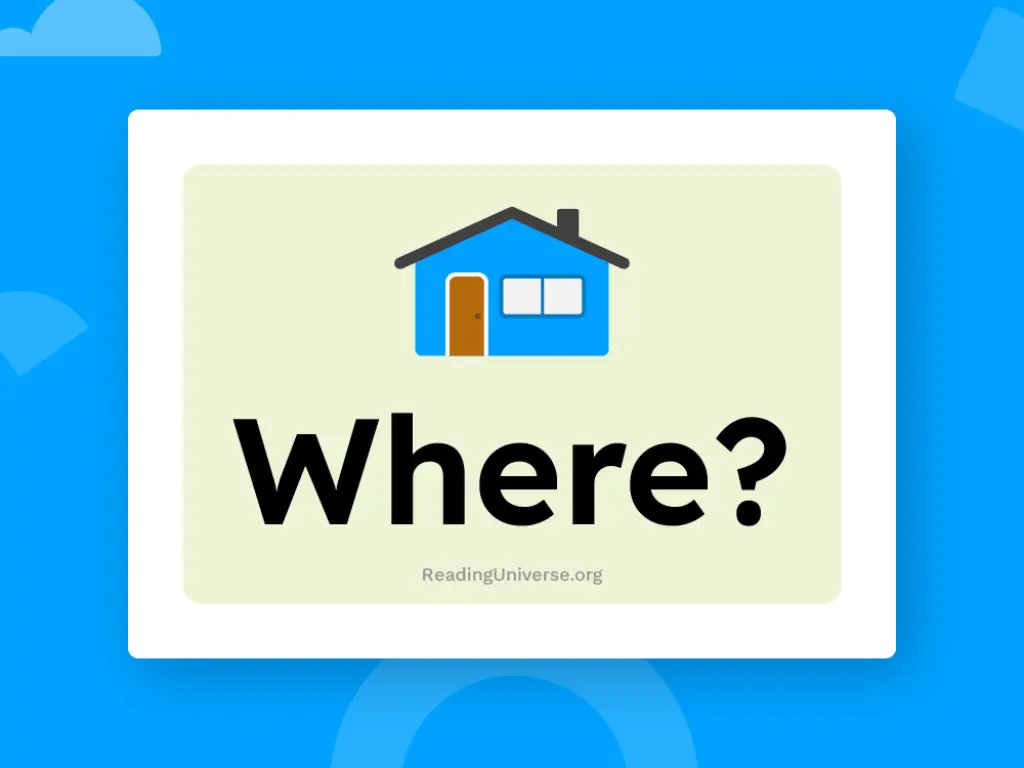
1. Display the function question cards that you'll use to unpack the sentence, along with the sentence you'll be working on. Read the sentence aloud with the class.
2. Use those question cards to unpack the meaning. For example, say "Who or what is this sentence about?" Read aloud the sentence parts until you locate the who or what (the subject; for example, woodpecker).
3. Then ask, "What is the who or what (the subject) doing? The woodpecker did what?" Read aloud the sentence parts until you locate the did what (the verb).
4. Add additional questions that focus on the other grammatical building blocks in the sentence. For example,
- Adverbs: "When?", "Where?", "Why?", and "How?"
- Adjectives: "What kind?", "How many?", and "Which one?"
Below you'll find a PowerPoint slide template that let's you create your own interactive lesson to project on your whiteboard. Following the steps above, modify the slides to insert your own example sentences and modify the provided question graphics to match your instruction.
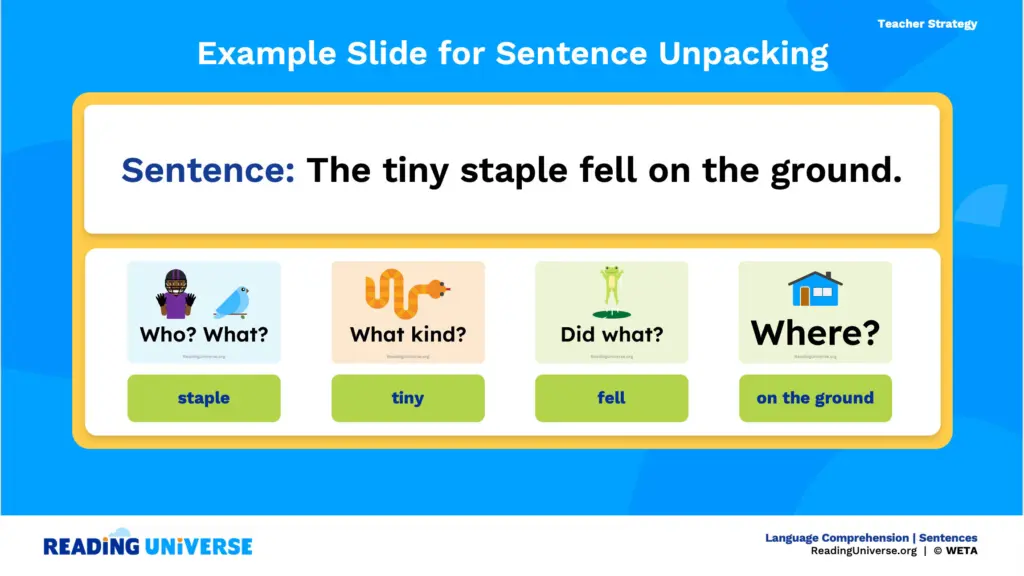
Sentence Detective Slide Deck
Download these slides for using your own sentences in sentence expansion and sentence unpacking.
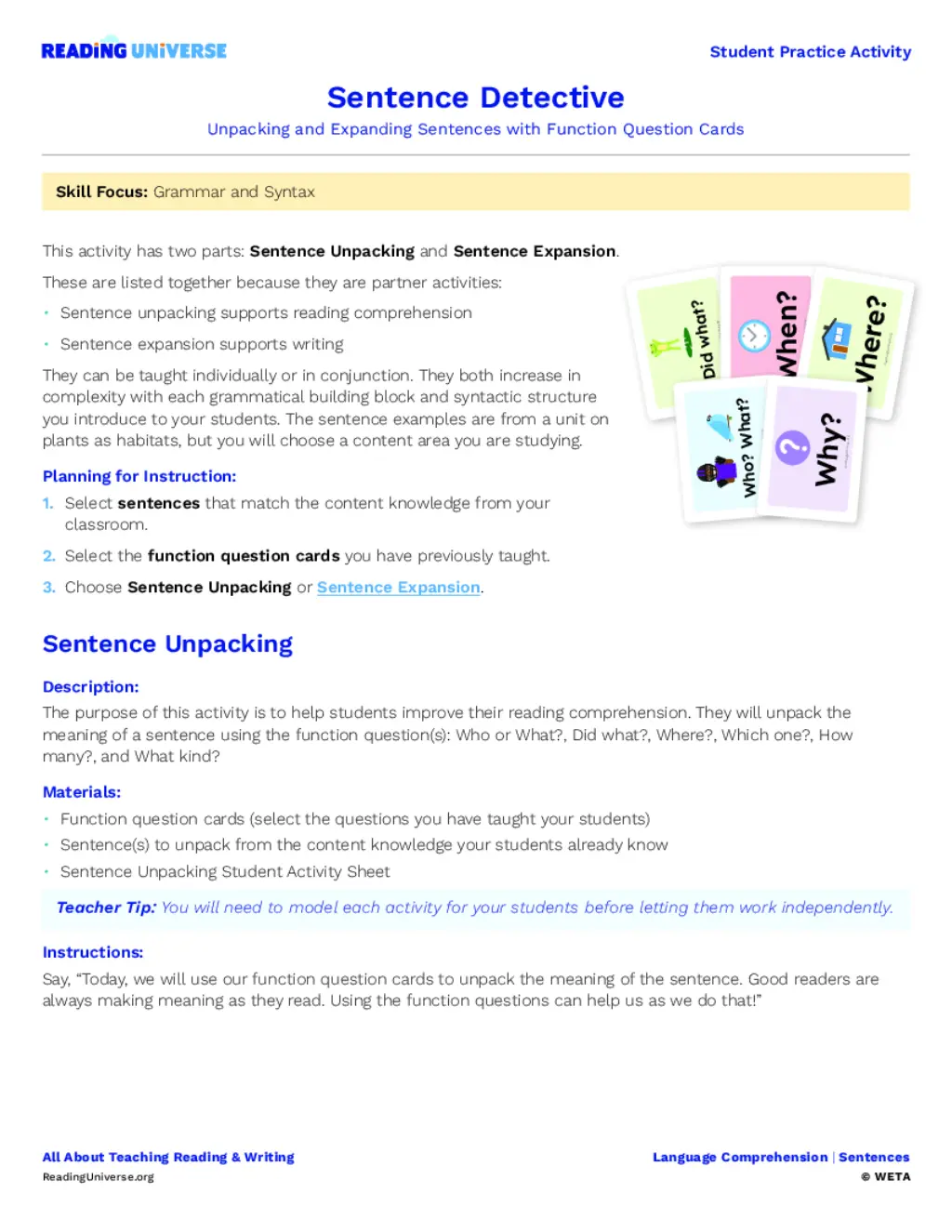
Sentence Detective: Using Function Questions
This activity helps students with reading comprehension and writing skills by unpacking sentences and expanding them.
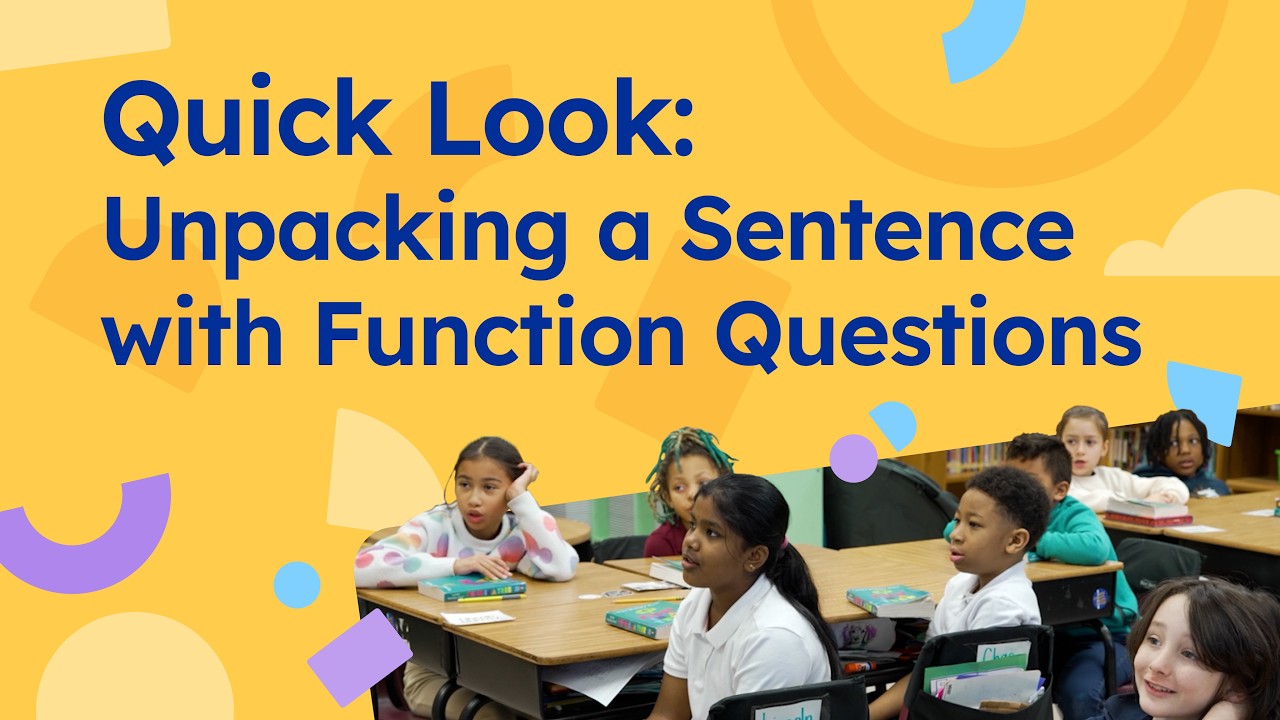
Watch It in Action
Hide Video Transcript
Show Video Transcript
Together: "Butterflies shed scales on their wings regularly."
Ashlea Edwards: So our first question is going to be who or what is this sentence about?
Students: Butterflies.
Ashlea Edwards: Butterflies. Very good. And what are the butterflies doing? The butterflies did what?
Students: Shed scales.
Ashlea Edwards: Shed scales. Very good. Where did they shed those scales?
Students: On their wings.
Ashlea Edwards: On their wings. And then I'm even going to ask another question this time. When did they do this?
Students: Regularly.
Ashlea Edwards: Regularly! And everyone say, "regularly means often."
Students: "Regularly means often."
Ashlea Edwards: Good.
Scooping for Meaning
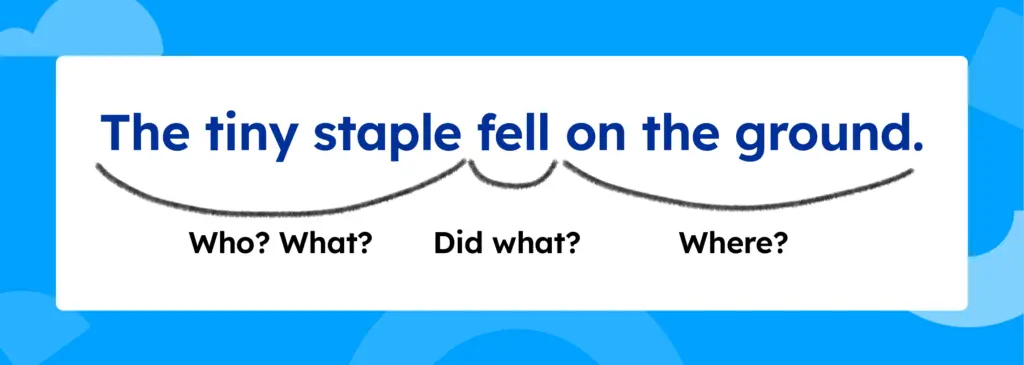
What this looks like …
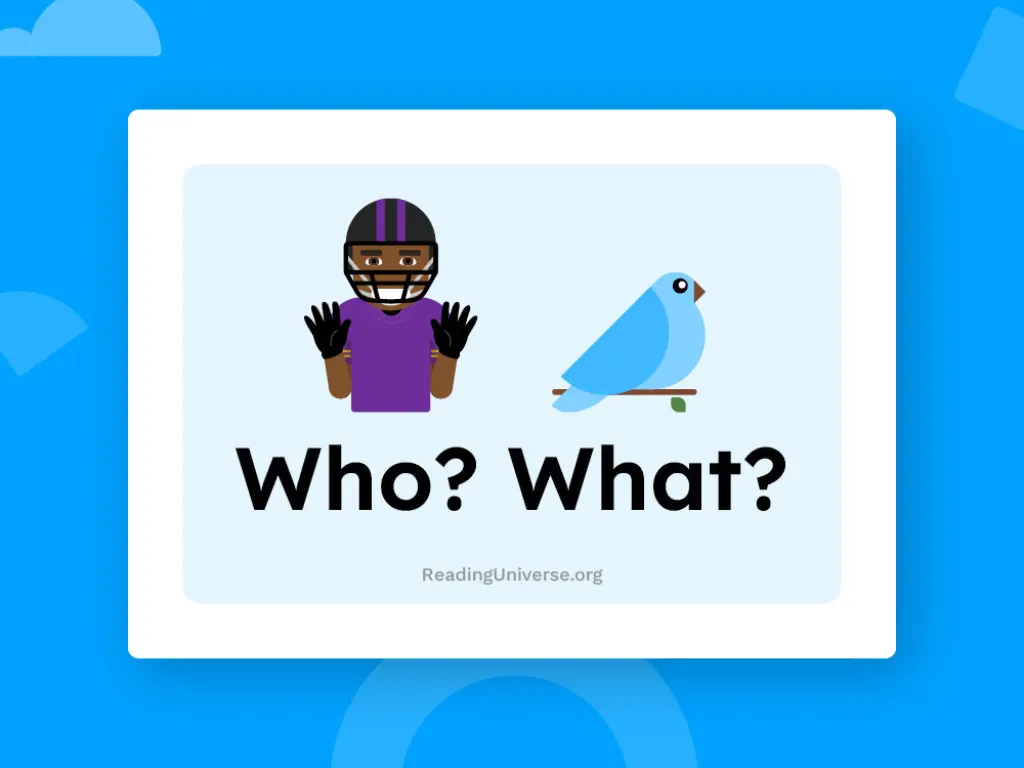
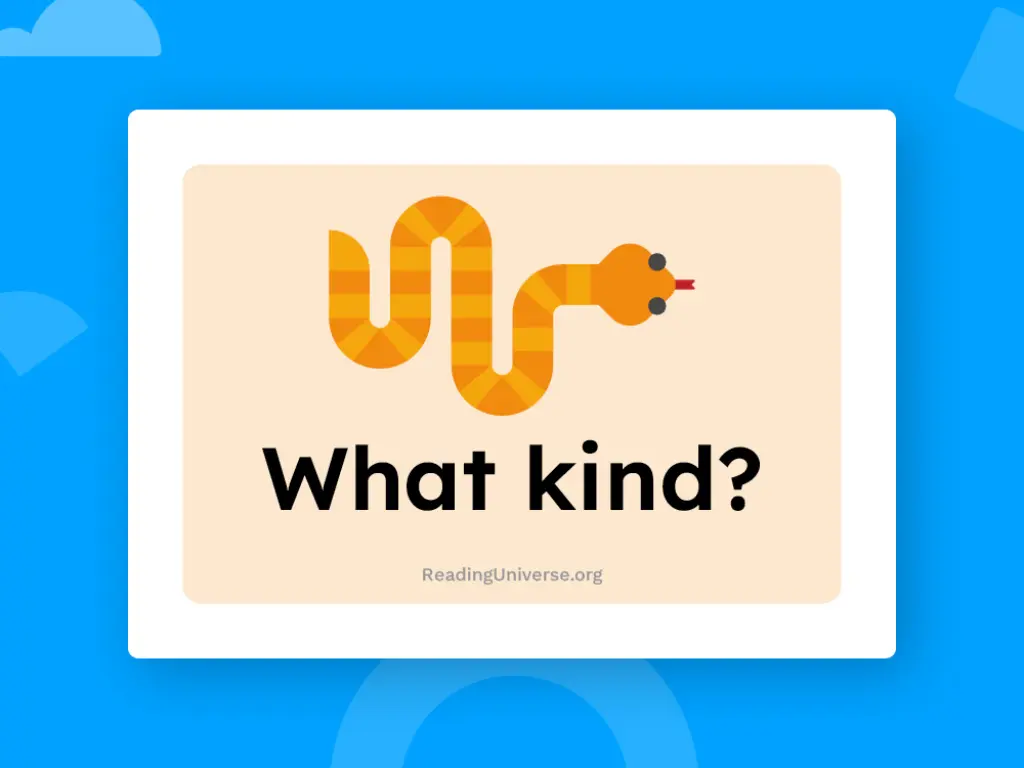
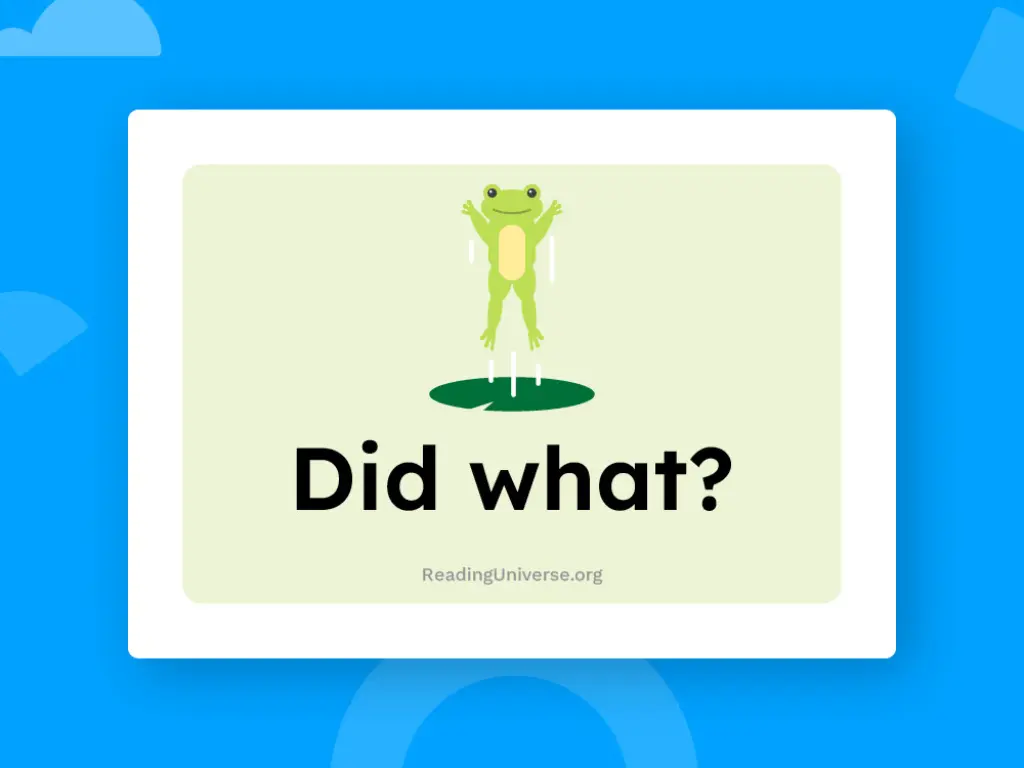
3. Model reading the meaningful parts together while drawing a scooping mark under the word or group of words that answer a question.
Then read the sentence fluently, still drawing attention to the meaningful words or groups of words.
See it in Action

Hide Video Transcript
Show Video Transcript
Carla Stanford: You can say, "We are going to scoop these together. I'm going to model for you how we're going to scoop them. So we're going to keep our who or what together. So we're going to say, 'the flock of ducks.' We're going to scoop that together. That's the who or what in the sentence. Next we're going to scoop in splash. That's the did what — splash. So now we have, 'the flock of ducks splash.' Where did they splash? In the pond. Let's do it together. Eyes up here reading, 'the flock of ducks splash in the pond.'" The way we scooped was very intentional. We worked really hard to emphasize the who or what, did what. This is a great way to build in that understanding of the way sentences are built intentionally in order to communicate. We're scooping up our namer and our action. And then we also had our when and where and why in our sentences.
Narrator: Reading Universe is made possible by generous support from Jim and Donna Barksdale; the Hastings Quillen Fund, an advised fund of the Silicon Valley Community Foundation; the AFT; the Emily Hall Tremaine Foundation; and anonymous donors. If you enjoyed this video, please subscribe to our YouTube channel @RUTeaching. Reading Universe is a service of WETA Washington D.C., the Barksdale Reading Institute, and First Book.
Carla Stanford: This is Reading Universe.
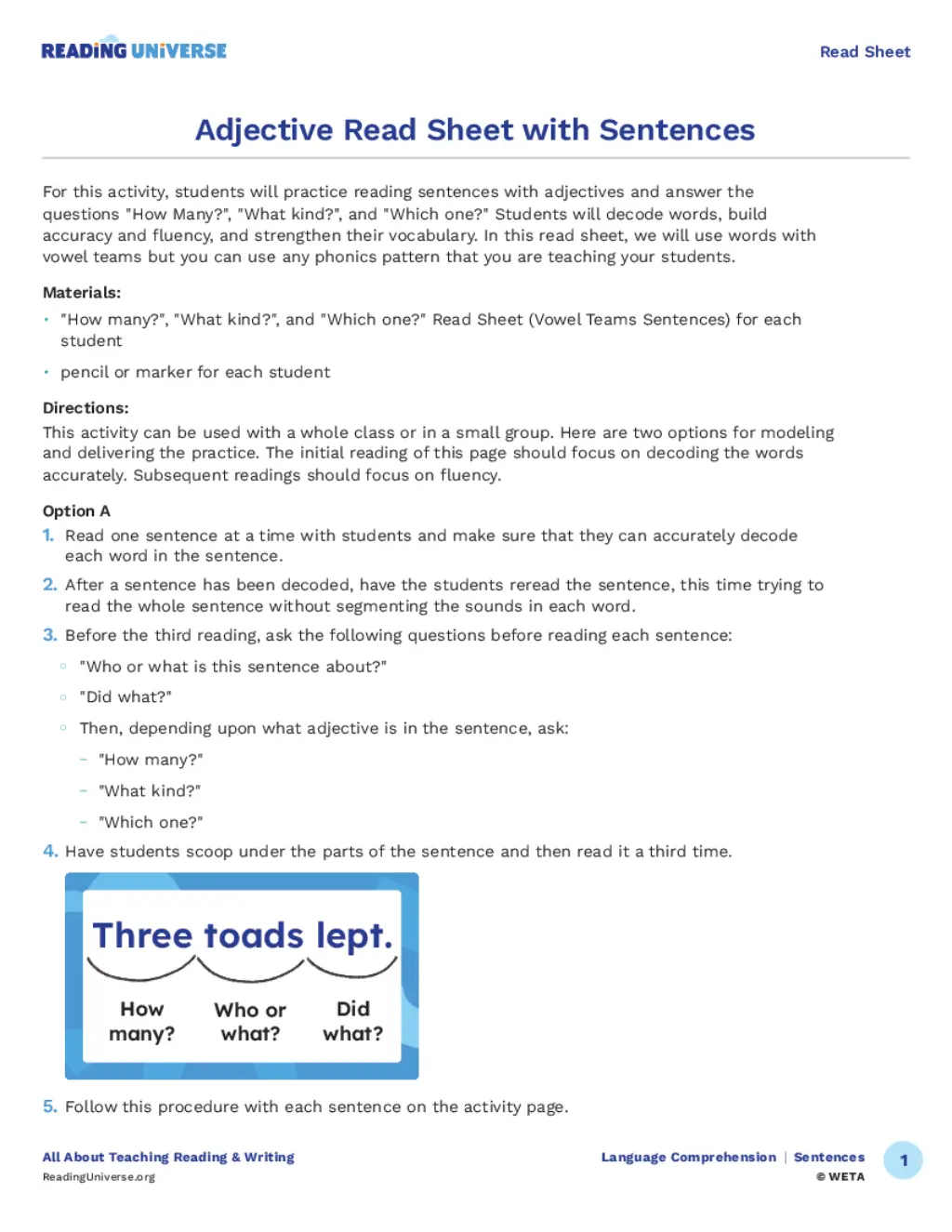
Adjectives Student Read Sheet with Sentences
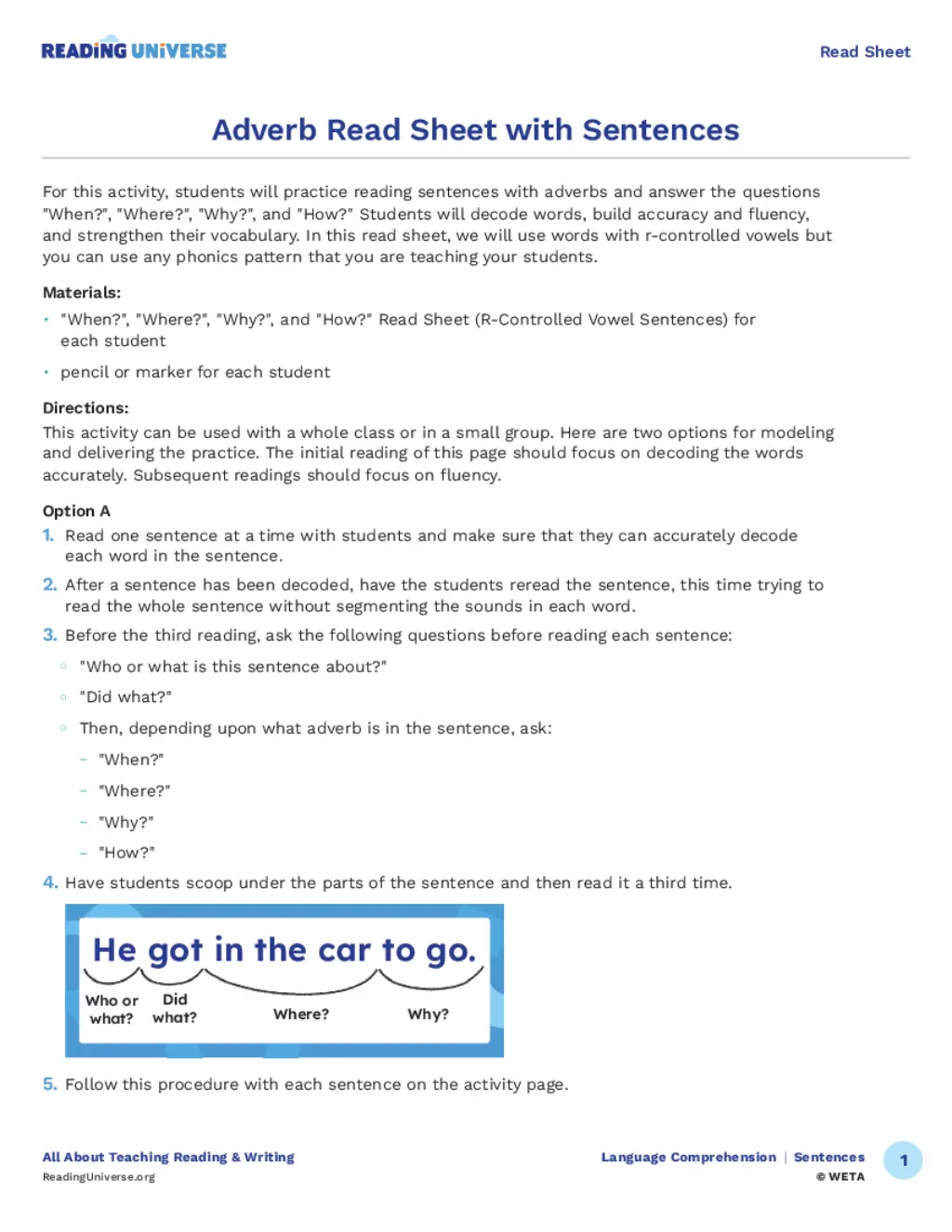
Adverbs: Student Read Sheet with Sentences
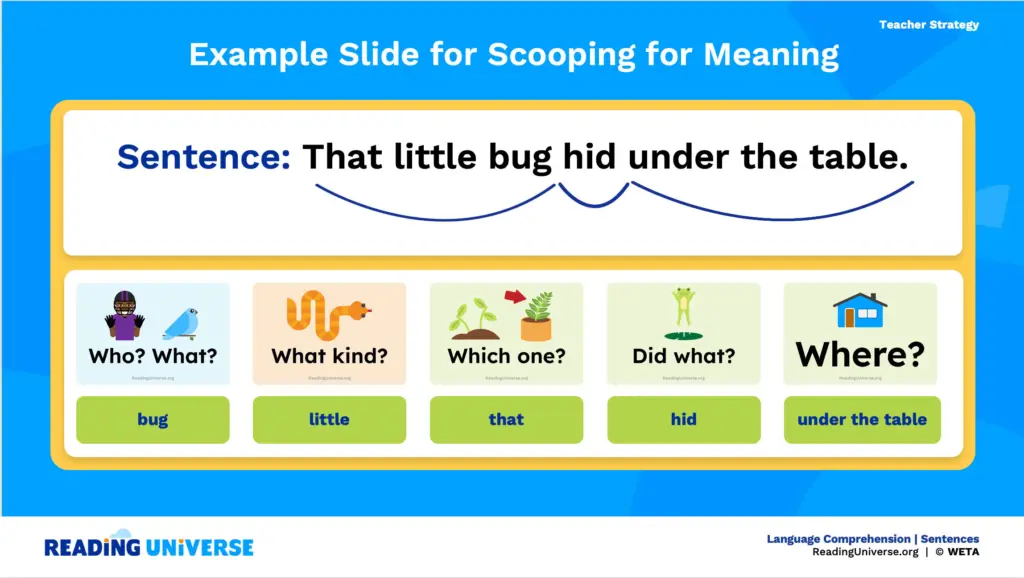
Scooping for Meaning Slide Deck
Download these slides to scoop for meaning using your own sentences.
Sentence Expansion

What this looks like…

Guided Practice Activity: Choose a Sentence and Expand It
In this activity, students will practice expanding simple sentences. They will elaborate on the predicate by answering "When?", "Where?", "Why?", and "How?"
Sentence Detective: Using Function Questions
This activity helps students with reading comprehension and writing skills by unpacking sentences and expanding them.

Sentence Expansion Blank Worksheet
Use this graphic organizer when teaching Sentence Expansion. Write a simple sentence at the top, such as The dog barks. Then choose questions ("When?", "Where?", "Why?", or "How?") to answer to make the sentence longer and more detailed. Finally, students can write the expanded sentence at the bottom of the page.
Sentence Detective Slide Deck
Download these slides for using your own sentences in sentence expansion and sentence unpacking.
